Be a Blog Subscriber
Join thousands of manufacturing leaders and professionals who get the Accelerate blog delivered straight to their inbox


Join thousands of manufacturing leaders and professionals who get the Accelerate blog delivered straight to their inbox
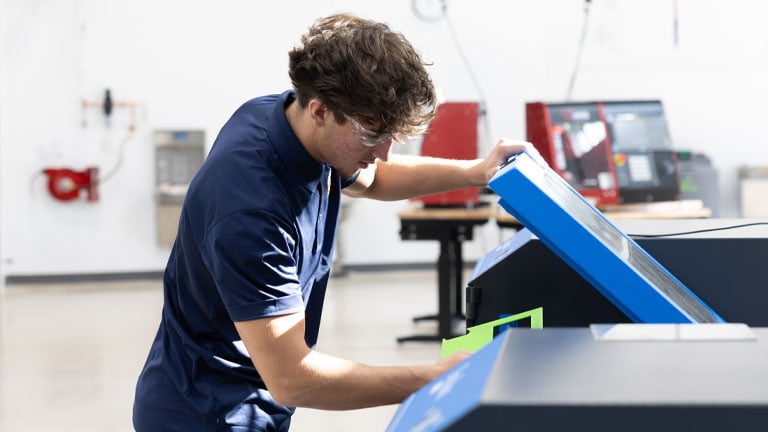

How can industry and education partners work together to close the manufacturing skills gap? Polaris Career Center, the State of Ohio, Tooling U-SME, and regional manufacturers are answering that question with the Engineering Technology, Robotics & Automation (ERA) program.
Read More

At SME FUSION, the Building the AI-Ready Manufacturing Workforce session explored how organizations must prepare technology and talent as one integrated strategy as artificial intelligence reshapes manufacturing skills, transforms employee responsibilities, and redefines workforce preparedness.
Read More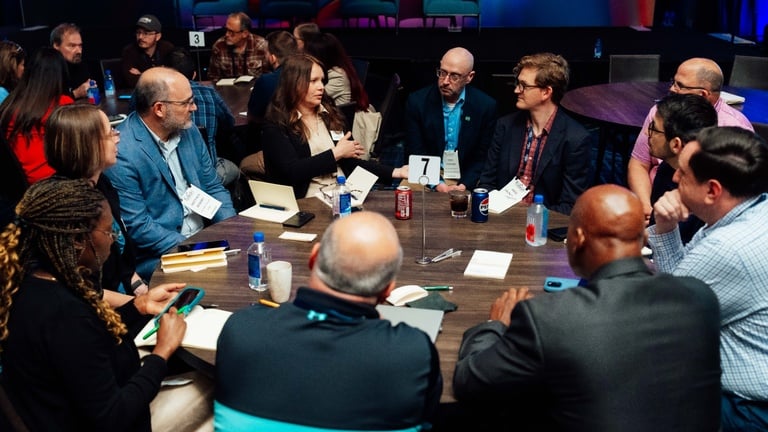

How can we develop strong front-line leaders without disrupting production? A recent session with Toyota Material Handling North America explored an approach combining training, advanced planning, continuous improvement, and follow-ups to help leaders apply new skills on the job.
Read More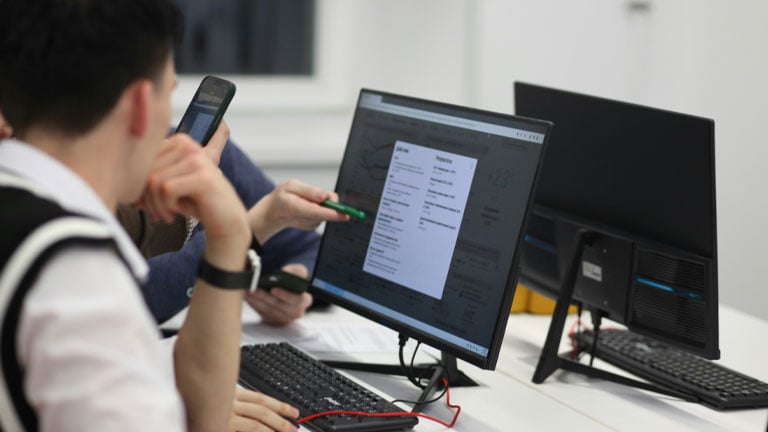

At SME FUSION, the session Earn-and-Learn in Practice A Proven Model for Talent Development explored how Mckee Food Company partnered with local college to improve their talent pipeline.
Read More

Higher education institutions are playing an increasingly important role in addressing these challenges. Through partnerships with Tooling U-SME, universities are building programs that better align education with workforce needs while creating stronger pathways into manufacturing careers.
Read MoreBill Berrien, CEO of Pindel Global Precision and former U.S. Navy SEAL, applies military principles of upskilling to the manufacturing world. His philosophy is clear: hire for attitude, train for skill. This approach has been key to Pindel’s success, where employees who show a positive attitude and a willingness to learn are provided with the tools and training needed to develop advanced skills and grow within the company.
By implementing Pindel’s Professional Development Program, employees gain the opportunity to move up the pay scale as they acquire new skills. This approach eliminates the need to constantly recruit skilled workers, allowing the company to focus on hiring individuals who are eager to learn and grow. It’s an investment in employees that yields long-term benefits for both the company and its workforce.
In the world of manufacturing, especially in areas like CNC machining, robotics, and smart manufacturing, upskilling is essential. According to Berrien, the industry often fails to serve workers over the age of 25, who are less likely to pursue full-time education and training. The solution? In-house upskilling programs that allow employees to learn while continuing to work. Berrien’s success with Pindel’s program shows how a focus on continuous learning can create a sustainable workforce, enhance employee engagement, and ultimately, drive business success.
Pindel’s program includes six levels of CNC machinist skills, multi-spindle training, and industrial maintenance qualifications, all designed to help employees progress through the ranks while earning valuable certifications like those from the National Institute for Metalworking Skills (NIMS). With a focus on industry-relevant credentials and OEM training, employees are equipped with transferable skills that not only benefit them within the company but also enhance their career prospects in the broader industry.
The program’s structure is clear: each level of training comes with its own set of competencies and wage bands, which increase as employees gain new skills. This transparent, measurable growth path motivates employees to invest in their own professional development, knowing that their efforts will lead to tangible rewards.
For companies looking to implement their own upskilling initiatives, Berrien recommends starting simple. Identify the skills that will have the greatest impact on the business and prioritize them. Create a basic framework, then gradually build out more advanced training modules as needed. One of the best tools for doing this is Tooling U-SME’s vast catalog of classes, which offers high-impact solutions for manufacturers looking to upskill their workforce.
Additionally, don’t overlook available funding options. Many companies can access federal and state grants to help cover the costs of training programs. Pindel, for example, has used grants from organizations like Forward Careers and the Workforce Opportunity Investment Act to partially fund its upskilling efforts.
Ultimately, the goal of upskilling is to create a workforce that is not only capable but also motivated and engaged. By investing in people and giving them the tools to succeed, companies can foster a culture of continuous learning that drives innovation and business growth.
Tooling U-SME is committed to helping companies, including Pindel, build a workforce that is ready to meet the challenges of the future. Tooling U-SME training solutions provide employees with the skills they need to succeed, while also helping companies stay competitive in a rapidly changing industry. By focusing on employee development, together we can create a brighter, more sustainable future.