Be a Blog Subscriber
Join thousands of manufacturing leaders and professionals who get the Accelerate blog delivered straight to their inbox



Join thousands of manufacturing leaders and professionals who get the Accelerate blog delivered straight to their inbox


At SME FUSION, the Building the AI-Ready Manufacturing Workforce session explored how organizations must prepare technology and talent as one integrated strategy as artificial intelligence reshapes manufacturing skills, transforms employee responsibilities, and redefines workforce preparedness.
Read More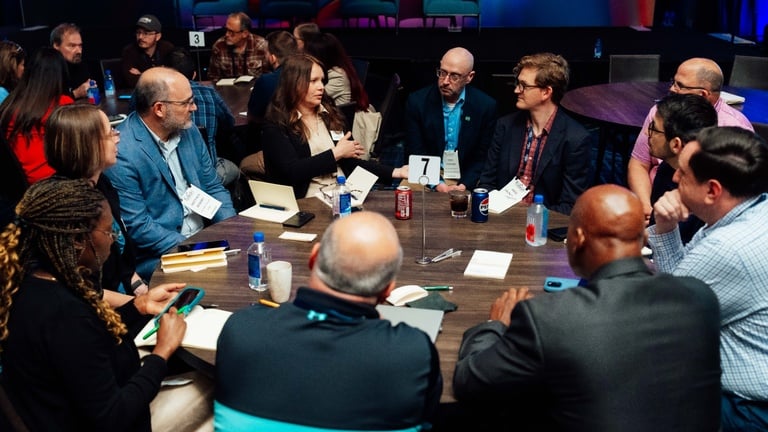

How can we develop strong front-line leaders without disrupting production? A recent session with Toyota Material Handling North America explored an approach combining training, advanced planning, continuous improvement, and follow-ups to help leaders apply new skills on the job.
Read More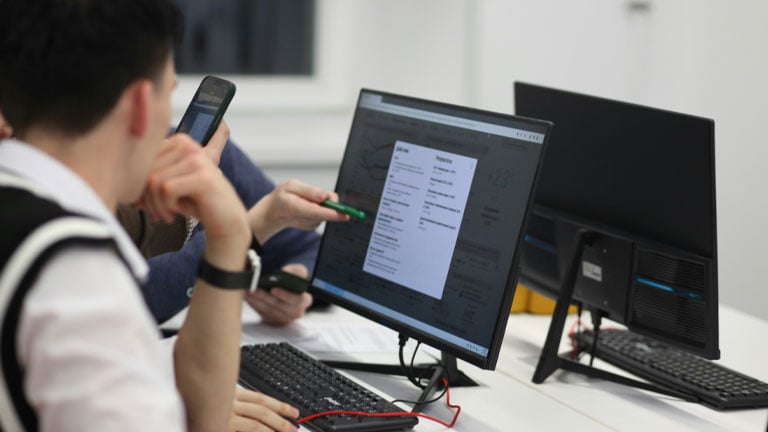

At SME FUSION, the session Earn-and-Learn in Practice A Proven Model for Talent Development explored how Mckee Food Company partnered with local college to improve their talent pipeline.
Read More

Higher education institutions are playing an increasingly important role in addressing these challenges. Through partnerships with Tooling U-SME, universities are building programs that better align education with workforce needs while creating stronger pathways into manufacturing careers.
Read More
The pursuit of operational excellence is a journey, not a destination. For two decades, thousands of professionals and organizations have used the Lean Certification program as a guide on that path.
Read MoreIn today’s competitive business landscape, leadership development for front-line workers is crucial for operational efficiency and long-term success. At our recent tuX 2024 workforce conference, a panel discussion titled "Improving Qualification Programs for Front-Line Leadership" brought together experts in leadership training to explore how companies can optimize these programs for their teams.
Peggy McGee, Manager of Learning Programs at American Axle & Manufacturing (AAM), and her colleague, Eliza Wiseman, HR Specialist, shared their insights on how AAM’s tailored learning programs are designed to foster leadership at all levels and ensure talent retention.
McGee has played a key role in developing AAM’s leadership programs, which aim to empower its 20,000 associates across the globe. As a leading global supplier in the automotive industry, AAM’s focus on electrified components and mobility technologies requires a workforce equipped with both technical and leadership skills.
McGee emphasized that development plans for associates follow the 70-20-10 model:
This comprehensive approach allows AAM to develop talent from within and provides associates with the skills needed to advance in their careers, whether for current roles or future leadership positions.
One of the key goals of the program is to increase talent retention. McGee explained that when employees leave, they take valuable knowledge with them, which impacts productivity and increases the cost of recruitment and training. By investing in their associates' growth, AAM hopes to reduce turnover and create a more resilient workforce.
Wiseman discussed AAM’s Pay for Knowledge (PFK) program, a structured framework that allows associates to progress through different class levels, each tied to specific knowledge and performance criteria. This program is designed to not only increase associates’ pay but also to encourage continuous learning and skill development.
The PFK program consists of six class levels:
Each PFK class level involves a combination of written tests, demonstration checklists, and Tooling U-SME online classes accessed through AAM’s Workday platform. Associates can advance at their own pace, ensuring that their progression aligns with both personal ambition and organizational goals.
Wiseman shared an example of how the PFK program works in practice, using a story about an associate named Samantha. Hired in 2019 as a Class 1, Samantha followed the PFK pathway and gradually moved up to Class 5 by 2023. She is now on track to become a Class Leader in 2024, the highest level an associate can reach.
In contrast, Wiseman also described the experience of another associate who opted not to test for higher levels beyond Class 2. The flexibility of the PFK program allows associates to remain at their current class level and rejoin the development path when they feel ready to pursue further growth.
AAM’s PFK program has had a significant impact on their workforce, with over 50% of associates advancing to Class 5 or becoming Class Leaders. Associates appreciate the clarity of the PFK system, as it offers a visible, structured pathway for career growth.
The self-paced nature of the program has also been a key factor in its success. It removes the pressure to advance at the same speed as others, allowing individuals to focus on mastering the material at their own pace.
For both McGee and Wiseman, the success of the PFK program lies in its seamless integration with AAM’s HR systems, particularly Workday, and its ability to put associates in control of their professional development.
The tuX 2024 panel discussion highlighted several key takeaways for organizations looking to enhance their leadership development programs:
Participants in AAM’s PFK program say that they like knowing what to expect and having a clear pathway for growth. Classes are easy to find with Workday being the bridge to Tooling U-SME’s material and Tooling U-SME being so user-friendly. Associates say they enjoy progressing at their own speed because it takes away the pressure of having to keep up with others and allows them to focus on mastering the material thoroughly. This self-paced approach lets them build confidence in their skills and knowledge making the learning experience enjoyable and effective.
By investing in comprehensive leadership development programs, companies like AAM can ensure that their front-line leaders are well-equipped to drive operational excellence and retain top talent.
For more details on this topic, check out the presentation recap from tuX 2024! Over 100 workforce development manufacturing professionals gathered at Pittsburgh’s tuXperience Workforce Development conference. tuX promotes overall best practices in training and workforce development, encourages the adoption of advanced technologies, and furthers the success of the U.S. Manufacturing industry.
We are always available to discuss ways to improve your workforce's onboarding. Our team can design a training program that delivers improved quality and productivity, along with increased employee satisfaction and retention. Contact Tooling U-SME at 866.706.8665 to learn more.